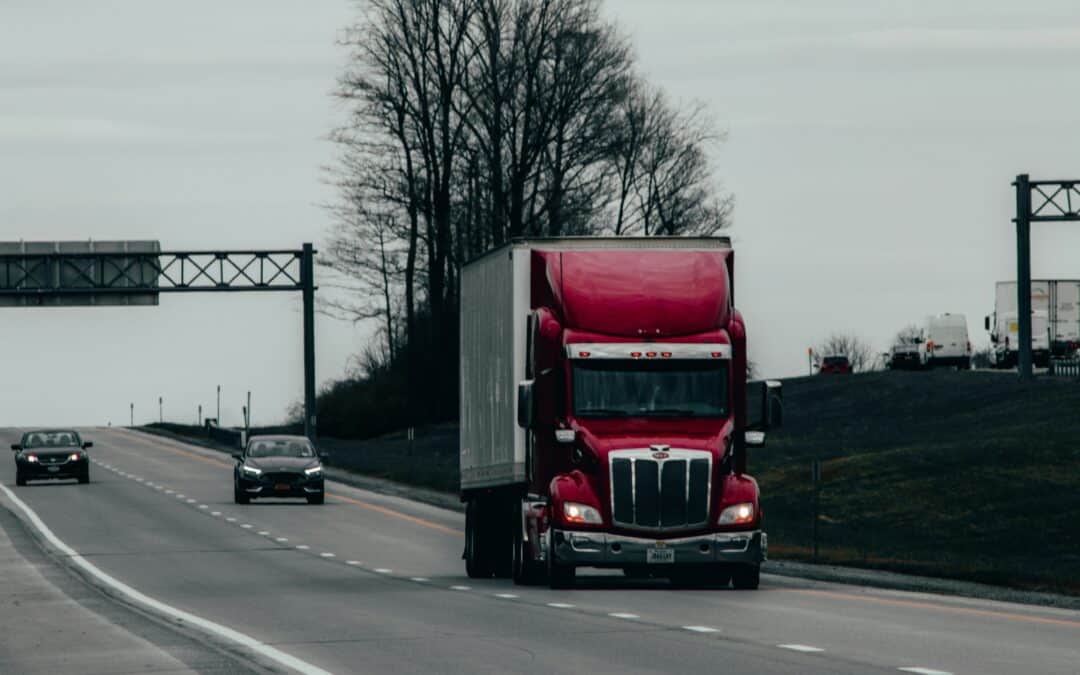
On a clear morning along I-5, traffic moves fast—until it doesn’t.
One sudden stop. One delayed reaction. And when a commercial truck is involved, the outcome is rarely minor. The scale alone changes everything. Heavier loads, longer stopping distances, tighter delivery schedules. When those variables collide with everyday traffic, the consequences escalate quickly.
Truck accidents aren’t just “bigger car accidents.” They’re a different category entirely—legally, financially, and operationally. And for San Diego residents and business owners alike, understanding that difference matters more than most realize.
Why Truck Accidents Carry Higher Stakes
A standard passenger vehicle weighs a few thousand pounds.
A fully loaded commercial truck? Up to 80,000.
That difference isn’t just physics—it’s liability.
When a crash involves a large truck, the damage often extends beyond the immediate vehicles. Multi-car pileups. Property damage. Road closures that disrupt entire corridors. And behind the scenes, a layered legal situation involving drivers, trucking companies, contractors, and insurers.
This is where things get complicated.
Responsibility isn’t always obvious. A fatigued driver may be at fault—but so might the company that pushed unrealistic delivery timelines. Or the maintenance provider that missed a critical issue. Or even the cargo loaders who improperly balanced the weight.
Each factor matters. Each adds a layer to the claim.
The Hidden Pressures Behind the Wheel
Commercial drivers operate under pressure most everyday drivers never see.
Tight schedules. Long hours. Federal regulations that cap driving time—but don’t eliminate fatigue. Add in traffic congestion across San Diego’s major routes like I-15 and I-805, and the margin for error shrinks.
The reality is uncomfortable.
Even experienced drivers can make mistakes when systems around them push limits. A delayed delivery can mean penalties. A missed deadline can affect contracts.
So the pace increases.
And with it, the risk.
What Makes These Cases Different
After a truck accident, the legal process doesn’t follow the same path as a typical car crash.
More parties are involved.
More documentation is required.
And more resistance is common from insurers.
Trucking companies often carry substantial insurance policies. That sounds reassuring—until you realize those policies are aggressively defended. Claims are scrutinized. Fault is disputed. Evidence is analyzed in detail.
In many cases, the trucking company’s legal team begins working within hours of the incident.
That early response shapes the narrative.
And if you’re not equally prepared, you’re already behind.
The First 48 Hours Matter Most
What happens immediately after a truck accident can define the entire outcome.
Evidence doesn’t stay fresh.
Skid marks fade. Vehicles get moved. Dashcam footage can be overwritten. Witnesses become harder to locate.
That’s why documentation is critical.
If you’re involved in a crash, focus on:
- Taking photos of all vehicles and surroundings
- Capturing road conditions and traffic signals
- Gathering witness information
- Filing a police report immediately
These aren’t just procedural steps.
They’re your foundation.
Without clear documentation, it becomes easier for opposing parties to question what actually happened.
The Financial Ripple Effect
The visible damage is only the beginning.
Truck accidents often lead to extended recovery periods—physically and financially. Vehicles may be out of service for weeks. Work schedules get disrupted. Business operations can slow down or stop entirely.
For small business owners, that’s a serious concern.
A delayed project. Missed client commitments. Unexpected costs stacking up.
And then there’s the insurance process.
Initial settlement offers don’t always reflect the full scope of loss. They may cover immediate damage but overlook long-term impact—lost income, ongoing repairs, or reduced vehicle value.
That gap becomes your responsibility unless it’s addressed properly.
Why Local Expertise Makes a Difference
San Diego isn’t just another city when it comes to trucking accidents.
It’s a major transit hub.
Cross-border traffic. Port activity. Dense urban corridors. Each creates unique patterns that influence how accidents occur—and how they’re evaluated.
Understanding these local dynamics can make a measurable difference in how a case is handled.
That’s why many individuals and business owners turn to experienced San Diego truck accident lawyers when navigating these claims. Not for aggressive litigation, but for informed guidance—someone who understands both the legal framework and the realities of the region’s roadways.
Because context matters.
And in complex cases, context shapes outcomes.
Avoiding Common Mistakes After a Truck Accident
Even well-informed individuals make missteps after a crash.
Some of the most common include:
- Accepting early settlement offers without full evaluation
- Failing to document the scene thoroughly
- Delaying medical or mechanical assessments
- Assuming fault is straightforward
These decisions are understandable.
Accidents create stress. People want resolution.
But speed often comes at a cost.
Taking the time to understand your position—and gather complete information—can prevent long-term financial loss.
A Shared Responsibility on the Road
Truck accidents highlight a broader issue.
Road safety isn’t just about individual drivers.
It’s about systems.
Scheduling practices. Maintenance standards. Infrastructure design. Traffic density. All of these influence outcomes.
For San Diego, where logistics and daily life intersect constantly, awareness is key.
Drivers need to stay alert around large vehicles—avoiding blind spots, maintaining distance, and anticipating slower stopping times.
Businesses, on the other hand, need to recognize their role in the chain. Whether through logistics partnerships or operational demands, decisions made off the road can impact what happens on it.
Moving Forward with Clarity
Truck accidents don’t fit into simple categories.
They involve scale, complexity, and multiple layers of responsibility. For those affected, understanding that reality is the first step toward protecting both personal and financial well-being.
The road may clear quickly after an incident.
The consequences don’t.
Taking a measured, informed approach—documenting carefully, evaluating thoroughly, and seeking the right guidance—can make the difference between a controlled recovery and a prolonged setback.
Because when large vehicles are involved, small mistakes carry bigger costs.