
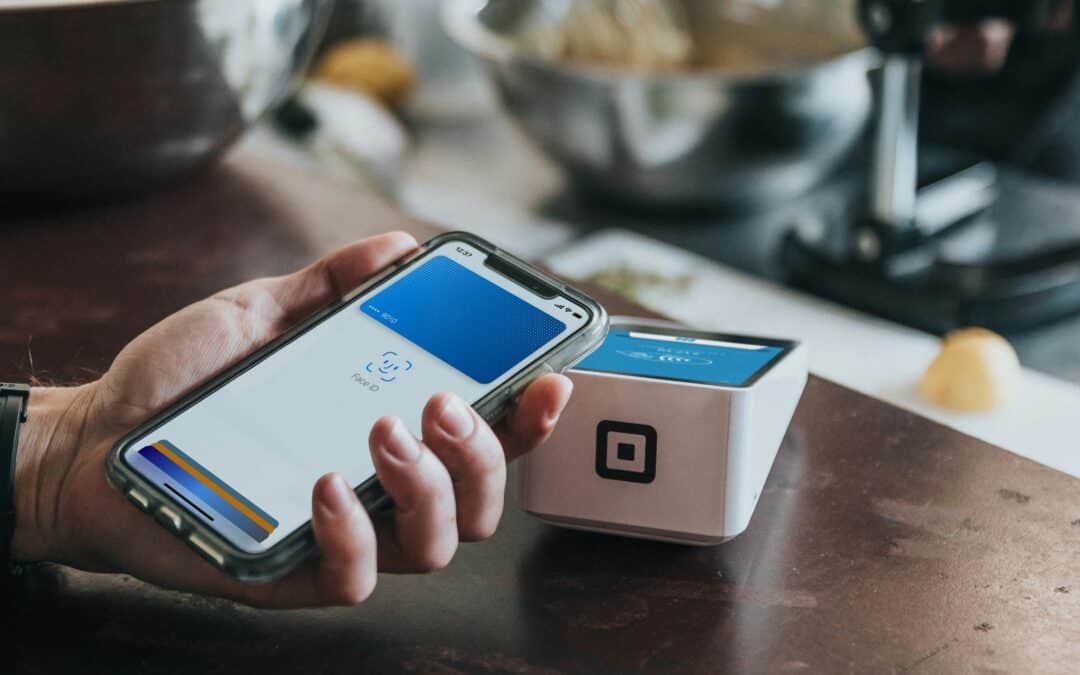
Most restaurants are running on POS systems that were never really built for them. The gap between what POS systems for restaurants promise and what they actually deliver during a Friday dinner rush is where operators lose money fast. Between managing peak-hour transaction volumes without slowdowns, pushing orders to DoorDash and Uber Eats simultaneously, and training a new hire in under an hour, the pressure is real. After reviewing dozens of platforms across operator forums, case studies, and feature documentation, this guide breaks down the five best options worth your attention.
The research approach for this ranking
Each platform was assessed using publicly available sources: operator reviews, product documentation, case studies, and third-party directory profiles. Only systems with a documented track record inside the restaurant industry made the cut. Companies with unverifiable claims or thin review histories were removed before any ranking was considered.
-> See the full research breakdown
- Orders.co – Best for restaurant online ordering and sales growth
- Clover – Best for restaurant point-of-sale and payment processing
- Toast – Best for restaurant management and point-of-sale operations
- Square – Best for restaurant payment processing and operations management
- TouchBistro – Best for full-service and multi-unit restaurants
Why POS Systems For Restaurants Matter for Your Business
Picking the wrong POS system doesn’t just slow down service. It quietly drains margins through higher processing fees, mismanaged inventory, and staff who need constant retraining.
Restaurants face a particular kind of pressure that general business software was never designed to absorb. Managing peak-hour transaction volumes without system slowdowns, syncing orders across third-party delivery platforms like DoorDash and Uber Eats, keeping a high-turnover team trained on a challenging interface—these are real daily problems that the right system has to solve. (And yes, all three can hit you on the same Saturday night.)
A well-chosen POS directly affects average transaction processing time, system reliability during service hours, and the total cost per transaction once hardware, software, and processing fees are stacked together.
That’s why the choice matters. The right system doesn’t just process payments. It protects your margins and keeps service moving.
Top 5 POS Systems For Restaurants Breakdown and Comparison
Note: All data in this table is sourced from review platforms and the official websites of the listed companies.
| Company Name | Headquartered In | Best For |
| Orders.co | Los Angeles, CA | Restaurant online ordering and sales growth |
| Clover | Sunnyvale, California | Restaurant point-of-sale and payment processing |
| Toast | Boston, Massachusetts | Restaurant management and point-of-sale operations |
| Square | San Francisco, California | Restaurant payment processing and operations management |
| TouchBistro | Toronto, Canada | Full-service and multi-unit restaurants |
Orders.co – Best for Restaurant Online Ordering and Revenue Growth

What Does Orders.co Do?
Orders.co is a restaurant technology platform built around online ordering and sales growth. The team comes from the hospitality industry, so they’ve experienced the frustrations of clunky ordering systems firsthand. Their platform uses AI to automate marketing tasks like behavior-driven text campaigns, email outreach, and loyalty programs. That means restaurant operators spend less time managing technology and more time focused on the kitchen and the guest experience. Honestly, that kind of operational focus from a tech company is rare in this space.
Why Orders.co Stands Out for POS Systems For Restaurants:
Orders.co addresses one of the most persistent gaps in restaurant technology: online ordering systems that don’t connect marketing and revenue strategy in one place. Their AI-driven automation of loyalty and campaign tools creates additional revenue streams without piling extra work onto an already stretched team.
Summary of Real User Reviews:
Operators who use Orders.co consistently points to how much easier it becomes to manage online ordering without juggling separate tools. The AI-driven marketing features get strong praise for running campaigns that actually feel relevant to guests. That kind of personalization, without manual effort, is something reviewers keep coming back to mention.
Clover – Best for Restaurant Point-of-Sale and Payment Processing

What Does Clover Do?
Clover is a POS platform built on Android and launched in 2012. It processes over 2 billion transactions per year across hundreds of thousands of merchants in the U.S., which tells you the infrastructure is serious. The platform covers payment acceptance, inventory tracking, and staff management, with dedicated subscription tiers built for Counter Service and Table Service restaurants. Its open App Marketplace lets third-party developers plug in, so the system can grow with a restaurant’s needs rather than boxing operators into a rigid feature set.
Why Clover Stands Out for POS Systems For Restaurants:
Clover addresses the hardware cost problem that holds back many independent restaurants by leaning on Android technology, which keeps device costs lower without sacrificing capability. Backed by Fiserv, the world’s largest merchant acquirer, the platform carries enterprise-level reliability that most independent POS providers simply can’t match.
Summary of Real User Reviews:
Merchants point to Clover’s flexibility as a consistent strength, including the ability to add apps and features without replacing the system. The Counter Service and Table Service tiers get solid marks for actually matching how different restaurant formats operate. A few reviewers note that the marketplace model means outcomes can vary depending on which third-party apps an operator chooses (not all apps are created equal).
Toast – Best for Restaurant Management and Point-of-Sale Operations
What Does Toast Do?
Toast is a restaurant management platform built exclusively for the food and beverage industry. The system covers POS, online ordering, inventory management, payroll, scheduling, and sales reporting, all under one roof. With over 200 integrations and approximately 120,000 U.S. restaurants running on the platform as of mid-2024, Toast has serious market depth. A standout feature is Toast Router, which includes built-in cellular service so payment processing keeps running even when the internet goes down. That’s a genuinely useful detail for anyone who’s lost a dinner service to a connectivity failure.
Why Toast Stands Out for POS Systems For Restaurants:
Toast focuses entirely on restaurants, which means every feature, every update, and every integration is built with a kitchen and dining room in mind rather than adapted from a general retail system. That exclusive focus shows up in practical ways: their integration stack is one of the deepest in the industry, and their offline processing capability directly addresses the system reliability problem that costs restaurants revenue during outages.
Summary of Real User Reviews:
Operators running Toast tend to highlight how much the platform handles without needing external tools to fill gaps. The payroll and scheduling features get regular praise for saving administrative hours each week. The main friction point is pricing at scale, but most operators treat it as a cost that pays back through reduced operational demands. Think enterprise-level functionality at a mid-market price point.
Square – Best for Restaurant Payment Processing and Operations Management


What Does Square Do?
Square is a financial services and technology company founded by Jack Dorsey that invented the first mobile card reader and grew into the U.S. market leader in POS systems. As of 2024, the platform serves 57 million users and 4 million sellers, processing $241 billion in payments annually. For restaurants, Square covers POS, inventory, bookings, payroll, e-commerce, and banking in one system. The $0 chargeback fee is a meaningful differentiator for restaurant operators dealing with high dispute volumes, which can quietly add up to real money over a year.
Why Square Stands Out for POS Systems For Restaurants:
Square removes a lot of the financial friction that independent restaurants deal with, particularly around chargeback costs and the difficulty of running multiple business tools through separate subscriptions. The fact that one restaurant reported tripling their business after switching to Square is a strong signal that the operational simplicity translates directly into growth capacity.
Summary of Real User Reviews:
Square users in the restaurant space consistently mention how fast the system is to set up and how low the barrier to entry feels compared to legacy POS options. The integrated banking and payroll features come up frequently as genuine time-savers. Honestly, for smaller restaurants or fast-growing concepts that need to move quickly, Square’s breadth of features at an accessible price point is hard to argue with.
TouchBistro – Best for Full-Service and Multi-Unit Restaurants

What Does TouchBistro Do?
TouchBistro is a hybrid POS system designed for restaurant operations across full-service, fine dining, quick service, and bar environments. Founded in 2010, the platform covers reporting, payment processing, staff management, table management, and menu management. TouchBistro has powered more than 29,000 restaurants across 100+ countries, giving it one of the broader global footprints in this category. Features like drag-and-drop table management and ingredient-level inventory tracking reflect genuine restaurant-specific thinking rather than features borrowed from retail software.
Why TouchBistro Stands Out for POS Systems For Restaurants:
TouchBistro’s hybrid architecture is the real differentiator. The system keeps running during internet outages, which protects service continuity during the exact moments a cloud-only system would go dark. For full-service restaurants managing complex tables and high-touch service, that reliability, combined with restaurant-specific tools like customizable menu dashboards makes a real operational difference.
Summary of Real User Reviews:
TouchBistro’s offline capability earns consistent praise from operators in areas with unreliable connectivity. The table management tools get strong marks for being intuitive enough that new staff can get up to speed quickly (helpful given how common turnover is in the restaurant industry). G2’s recognition of TouchBistro as a Leader in the Restaurant POS Grid Report lines up with what operators say: it’s a system built for people who run actual restaurants, not just businesses that happen to sell food.
Research Methodology and Selection Process
Pulling together a ranking like this takes more than a quick scan of marketing pages. Here’s how the research was structured.
Initial Data Collection
The process started by building a broad longlist through restaurant industry directories, third-party review platforms, and operator community forums where POS discussions happen organically. Product documentation, official websites, and case study libraries were also reviewed to understand how each platform positioned itself and what specific restaurant workflows it claimed to support.
Shortlisting Phase
Platforms with thin or unverifiable review histories were cut early. What remained was cross-referenced for consistency: if a company’s case studies told one story but operator reviews on independent platforms told another, that discrepancy was noted and weighed against inclusion. Review patterns were analyzed for specificity, not just volume, because generic positive sentiment is easy to manufacture.
Verification of Claims
Site claims were checked against real-world operator feedback wherever possible. Statements about reliability, integration depth, and offline functionality were compared to what actual users reported during peak-hour service scenarios. Where claims couldn’t be verified through independent sources, they were treated cautiously rather than taken at face value.
Authority and Industry Contribution Layer
Industry recognition, awards, and mentions in trade publications were factored in as additional signals. Clover’s gold medal at the PYMNTS.com Innovator Awards, Toast’s IPO and market data, Square’s Fast Company recognition, and TouchBistro’s G2 Leadership status were all considered as indicators of sustained market credibility rather than one-time achievements.
POS Systems For Restaurants-Specific Evidence
The final filter was the most important one. Each platform was evaluated for its fit with restaurant operations: dedicated service pages for restaurant workflows, verified reviews from food and beverage operators, and case studies showing results in restaurant environments. Platforms with strong general business credentials but weak restaurant-specific evidence did not advance to the final list. Only systems with clear, documented relevance to how restaurants actually operate made the final ranking.
How to Choose the Right POS Systems For Restaurants
Choosing a POS system is less about finding the most feature-rich option and more about finding the right fit for your specific operation. Here’s what to look at before signing anything.
- Industry and Domain Experience: Look for systems built for restaurant environments, not general retail platforms adapted after the fact. Restaurant workflows, such as table turns, modifier-heavy menus, and split checks, require purpose-built logic.
- Features and Service: Match the feature set to your actual service model. A quick-service counter doesn’t need the same tools as a 200-seat full-service restaurant. Prioritize what your team will actually use daily.
- Pricing Structure: Factor in hardware costs, monthly software fees, and per-transaction processing rates together. A low monthly fee with high transaction costs can end up more expensive than a higher subscription with flat-rate processing.
- Results Measurement: Ask vendors how they measure success. Look for systems that offer reporting on transaction processing speed, table turn time, and real-time inventory accuracy.
- Industry Knowledge and Compliance: Confirm that any system you consider meets PCI DSS and EMV compliance requirements and supports local tax configuration out of the box.
Bottom Line
The right POS system doesn’t just take payments. It protects service flow, reduces training friction, and keeps costs from quietly compounding. Orders.co, Toast, Clover, Square, and TouchBistro each solve different pieces of that puzzle, so the best fit depends on your format, size, and growth goals. As restaurant technology keeps maturing, operators who choose purpose-built systems will be better positioned to scale without rebuilding their tech stack from scratch.